
Learning To Guard Your Attention
If fragmented asks are ruining your workday, you aren't alone. Root out the science behind context switching and obtain proven methods to guard your focus.

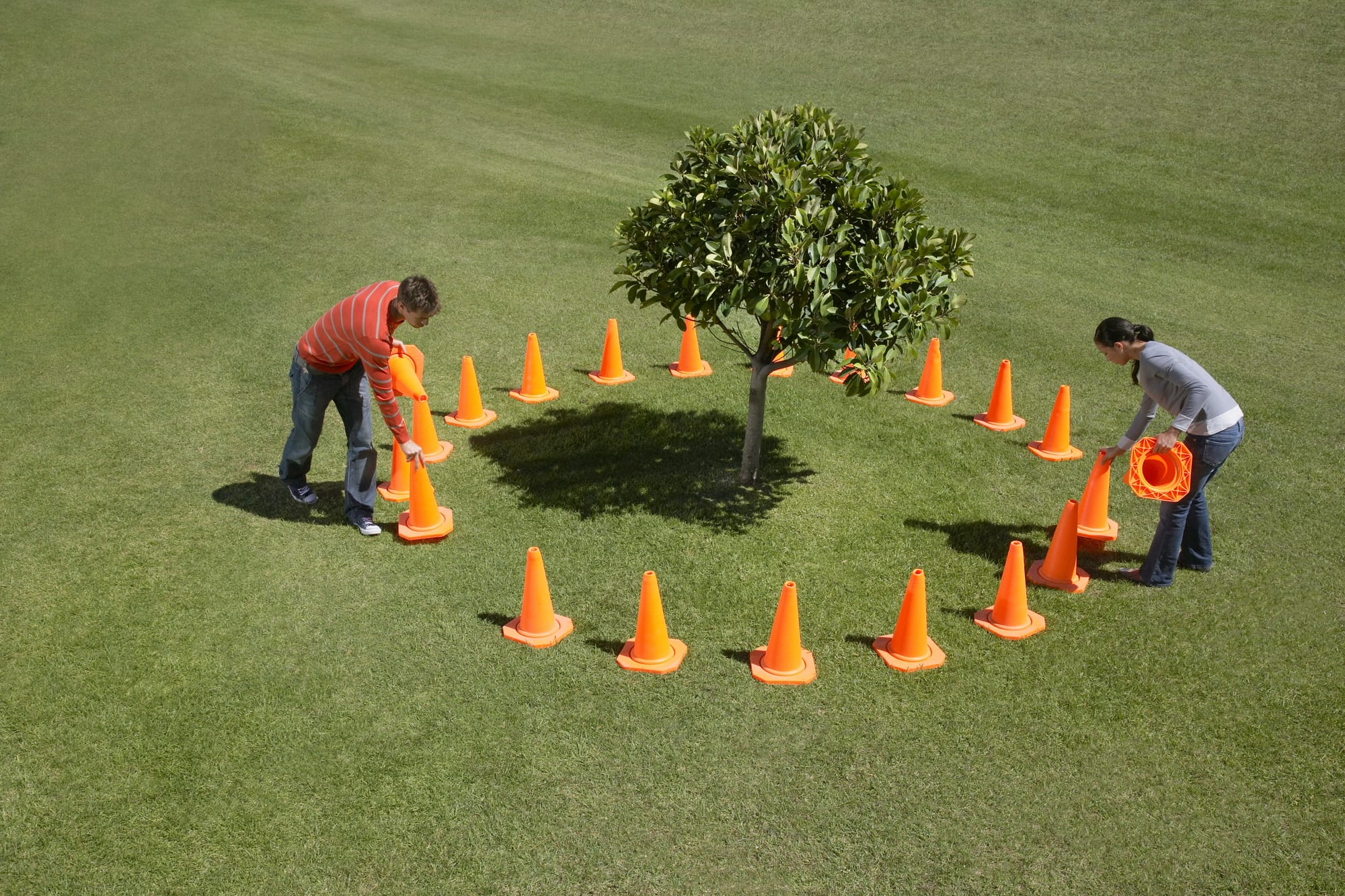
We've all been there before: you show up to work and you're exhausted by constant context-switching and unpredictable interruptions before you even begin. The problem isn't that you lack discipline, but rather that modern work practically conspires against our ability to concentrate on difficult tasks for prolonged periods.
That intense, out-of-body focus that makes you completely oblivious to what's going on around you is exactly what produces your absolute best work. Cal Newport, an associate professor of computer science at Georgetown University, coined this concept as deep work. His framework has quickly become the definitive antidote for modern working practices saturated with unrewarding and unproductive distractions. We're going to break down exactly how you can reclaim your attention and build your focus muscles.
The Heavy Toll of Fragmented Schedules
Let's look at the actual science behind why your brain feels like mush by 3:00 PM. Every time you glance at a notification or answer a quick question, you're forcing your brain to abandon its current cognitive load and spin up an entirely new context. When you try to return to your original task, there's a heavy switching cost involved. You don't just pick up right where you left off, because your brain has to spend precious energy and time rebuilding that lost state of flow.
Novia Wong's recent paper titled "Mental Wellbeing at Work: Perspectives of Software Engineers" shines a bright light on this exact issue. The study indicates that the nature of software engineering is highly demanding, tool-intensive, and cognitively rigorous. This specific type of work requires substantial periods of uninterrupted focus to actually get things done. However, this individual focus time is frequently compromised by a constant need to balance solo tasks with collaborative demands like frequent meetings. The result is a highly fragmented workday that drains your energy and leaves you feeling like you haven't accomplished anything.
Even if not deep work in name, Wong notes that the engineering industry has already begun to actively employ strategies like allocating specific focus blocks on their calendars. When teams utilize shared calendar tools to respect each other's dedicated focus time, engineers regain a sense of control over their schedules. That renewed sense of control directly improves their mental wellbeing and drastically reduces burnout across the entire team. Constant interruptions create a feeling of helplessness, whereas defined boundaries give you your autonomy back. Wong even suggests that integrating features into work tools that actively prompt employees to schedule focus time is an excellent technological intervention to help preserve this necessary state of deep work.
Choosing Your Depth Philosophy
Knowing that you need deep work is only half the battle, because you still need a concrete strategy for fitting it into your life. These are effectively long-term strategies for protecting your focus, and Cal Newport has identified four distinct approaches to choose from. Your personal approach will depend entirely on your role, so you need to pick the one that actually matches the reality of your specific career and daily obligations.
- Monastic: Here's the absolute extreme route where you completely eliminate digital noise from your professional life. That means you aren't checking social media, sitting in endless meetings, or obsessively refreshing your inbox. The bare minimum for this strategy is usually a full, uninterrupted day entirely off the grid. It's really built for academics or independent researchers who don't have teams relying on their immediate replies.
- Bimodal: Think of this as the realistic hardcore option where you split your schedule into strict phases of deep and shallow work. You might block off a few days, a solid week, or even an entire month just for focused execution. Just like the monastic approach, your deep stretches need to last at least one full day to be effective. It's a lifesaver for managers and engineers who simply can't abandon their collaborative duties for the entire calendar year.
- Rhythmic: Here's the most practical starting point for standard knowledge workers who want to build a reliable daily habit. You'll carve out a specific block of time for deep work every single day, turning intense focus into an automatic routine. You don't need to block out your whole afternoon, but you'll fiercely protect that one dedicated window from all interruptions. It's perfect for tackling massive engineering problems without feeling overwhelmed, because you're making steady progress every shift.
- Journalistic: Newport flags this as the most advanced method because it completely throws out the structured schedule. You're shifting into deep work mode the exact second you get a free moment, operating just like a reporter on a tight deadline. If your daily calendar is totally unpredictable, that's the absolute best way to survive the chaos. You just need serious mental discipline to instantly lock in and execute when that rare window opens up.
Taming the Shallow Work
Even if you successfully adopt one of those philosophies, you'll still have to deal with the unavoidable reality of shallow work. Things like answering messages, filing expense reports, and clearing out your inbox are just part of the job. The trick isn't to ignore these tasks completely, but to limit their destructive potential on your schedule. If you let them bleed into your deep work blocks, they'll constantly reset your focus and drain your cognitive reserves.
Imposing strict time limits into your shallow work tasks can actually intensify your deep work by shifting you into a scarcity mindset. When you know you only have twenty minutes to clear your inbox before your next deep work block begins, you're forced to focus your attention and move quickly. Time blocking is a great method for building this specific mental muscle. You stop casually browsing your messages and start executing administrative tasks with genuine urgency. This prevents your shallow tasks from expanding to fill your entire day, leaving you plenty of protected time for the heavy lifting.
In your next work day, block off two hours, decline all meeting invites during that window, and close every tab that doesn't serve the task in front of you. It's time to see what your brain can actually do.